
What’s Happening With Games As A Service?

The outlet TheGamer recently published an analysis that reveals a worrying trend for the current “GaaS” (Games as a Service) business model: more than half of the major titles released under this model during 2025 have already lost over 90% of their player base on Steam just a few months after launch. The study examined 19 high-profile titles and found that most of them suffered drops between 80% and 99% by early 2026. In other words, the data collected through SteamDB is simply alarming for those responsible for major franchises.
Of the 19 games analyzed, 11 have seen more than 90% of their all-time peak player counts evaporate. Among these titles we find Supervive, FragPunk, Mecha Break, Killing Floor 3, InZoi, Blue Protocol: Star Resonance, FBC: Firebreak, Dune: Awakening, Splitgate 2, Rematch, and Skate. Four other franchises have lost more than 80% of their players: Sonic Rumble, Persona 5: The Phantom X, RuneScape: Dragonwilds, and Battlefield 6, while other IPs such as Umamusume: Pretty Derby and Elden Ring Nightreign have losses exceeding 70%.
Those Who Survive
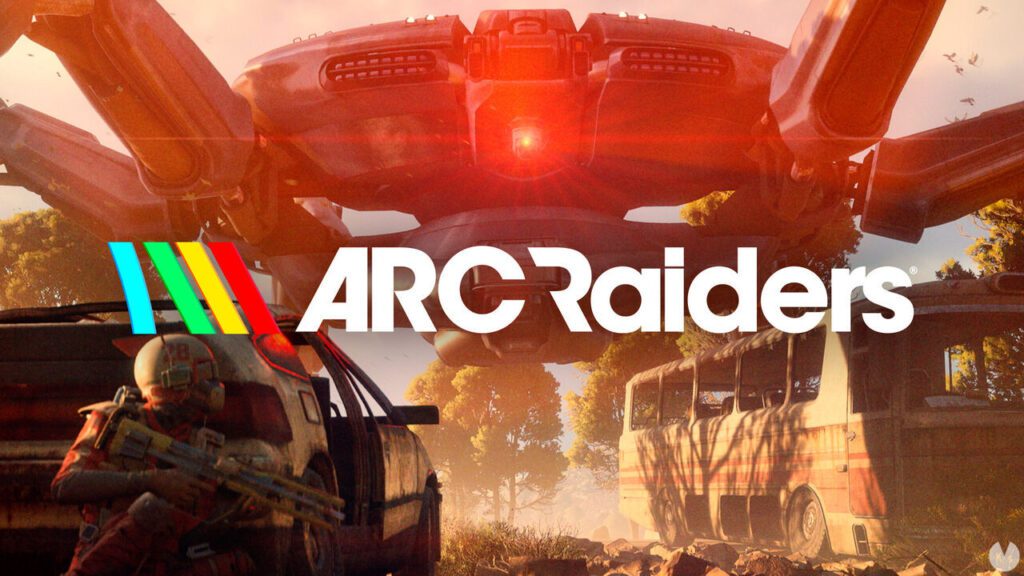
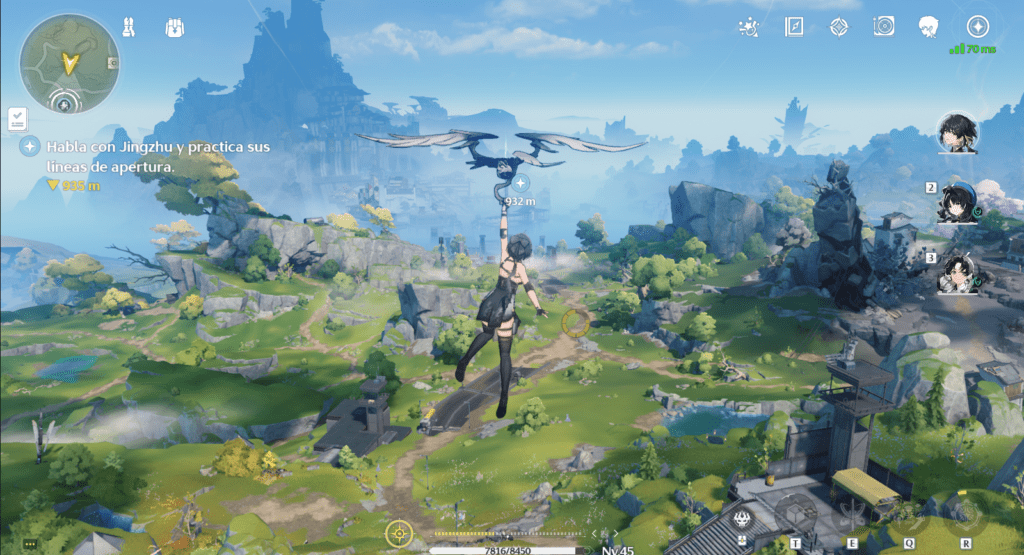
On the other side of the coin, two clear exceptions stand out. ARC Raiders has barely lost 3.2% since its peak and continues to hover between 200,000 and 400,000 concurrent players, while Wuthering Waves not only maintains its player base but actually reached its historical peak during December 2025, supported by constant communication with the community and frequent, well-targeted updates. This raises an obvious question: what makes these titles so different from the others? What decisions or strategies separate the visible success of these franchises from the dramatic player declines seen in games like Battlefield 6 itself?
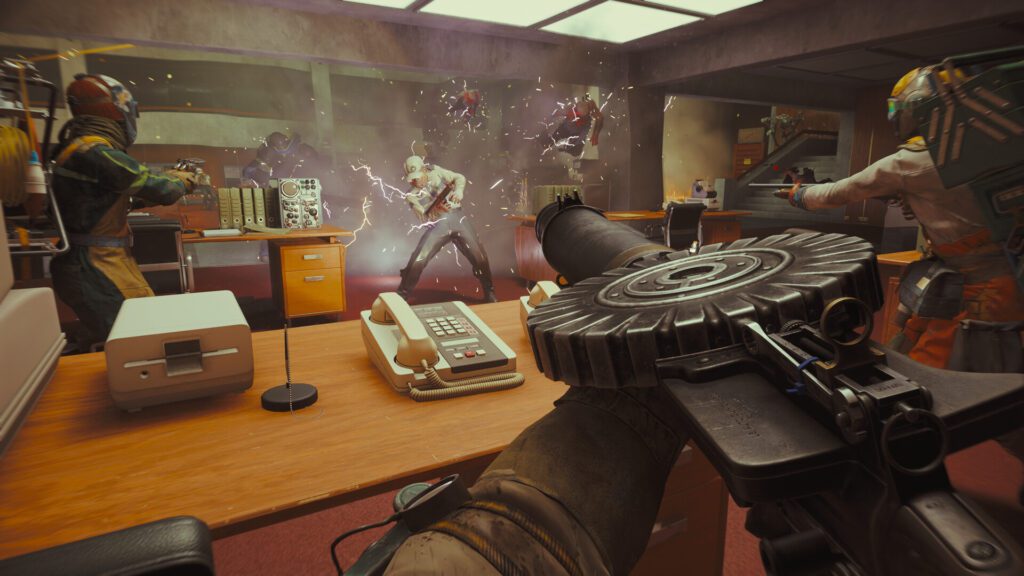
The recent report points to a recurring cause, namely decisions driven from the executive level to replicate successes such as Fortnite, Apex Legends, or Marvel Rivals, even within studios traditionally focused on single-player experiences. Cases like Remedy’s FBC: Firebreak illustrate the risks involved, as the game barely surpassed 2,000 concurrent players at launch and, months later, rarely reaches 100, which has led to internal changes within the company… Uff… I’ll save my thoughts on this specific case for later on.
Although the analysis was limited to Steam and did not take consoles or internal costs into account, the pattern suggests that player demand is not keeping up with the push for Games as a Service. Even so, some titles with steep declines can still be considered profitable due to their monetization. At the beginning of the year, the outlook remains uncertain, but it has nevertheless started with strong bets such as Arknights: Endfield, Highguard, and The Seven Deadly Sins: Origin, which we will soon find out whether they can be counted as successes.
“Common Sense!“… XD
My personal opinion, and now I will say it outright, is that in many upper echelons of certain companies there is a huge lack of common sense. What I see behind this analysis is that players value the same two things we have always valued: original ideas, which in some cases can include truly innovative mechanics, and on the other hand, well-told stories, or in many cases, well-developed lore. A giant world with little or nothing to keep us engaged is simply another place without importance. If there are no elements, incentives, rewards, or even secrets, or more stories to discover that are genuinely engaging and well told, why would we want to stay there?
And by now they should know that if everything hooks us and feels attractive and rewarding, eventually we will have no problem paying whatever it costs. So why work so hard to replicate the success of others in the past? While it is partly reasonable to support strategies with things that have already worked before, statistically and financially, if the decisions, again, lack common sense, we will find ourselves flooded with copies of copies of other copies of countless Fortnites or Apex Legends clones. But why do I insist so much on common sense? Uff, I was hoping you would ask! 😀
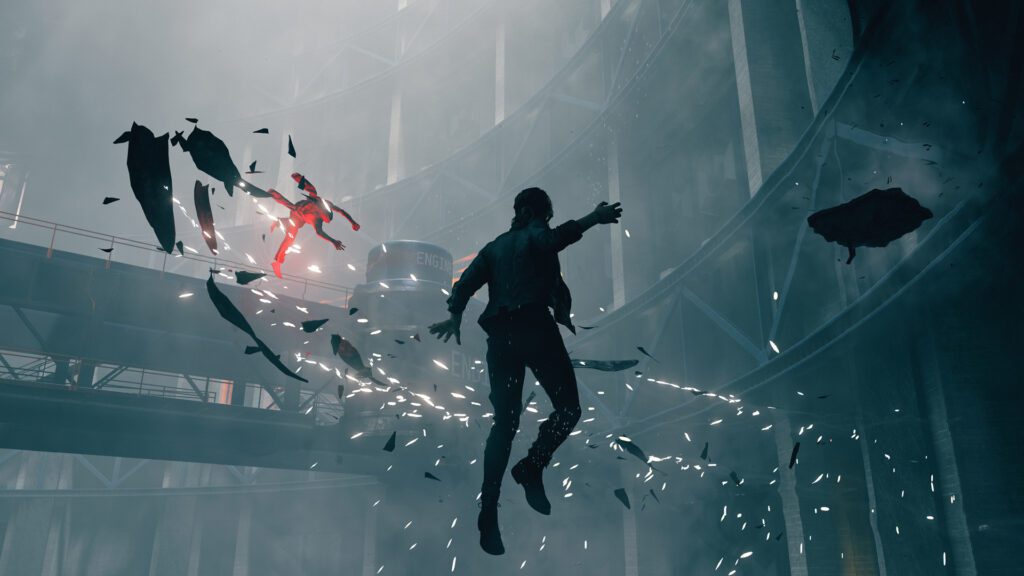
I will use this as an example. In 2019 Remedy released Control, a third-person action game set in a building or universe filled with what we could call “paranormal” activity, whose strength was its dynamic gameplay that mixed weapons (or a single weapon that shifted between several different forms and types) and, most appealing of all, a wide range of supernatural powers, combined with a story full of mystery that even to this day keeps us questioning details and meanings behind many of its events. Control became an iconic franchise and laid the groundwork for a sequel that, as we have commented right here, we expect to receive this very year: Control Resonant.
Here I want to emphasize that this is only my opinion. What should we do with a franchise that has managed to captivate audiences and has been considered a success based on its story, setting, and gameplay? Why not wait for the sequel, which is in fact inspired by the same universe, with a similar narrative also loaded with mysteries and secrets, and which expands the lore of the previous game’s protagonist’s family? No!! Instead of that, before releasing that seemingly well aimed sequel… let’s release another game that has nothing to do with it in terms of genre, gameplay, or experience, and since Control was a single-player game, let’s make this one multiplayer! A game as a service? Of course! Why not!?
You did notice the sarcasm, right? Anyway, what I mean is… was it not obvious what was going to happen? I am not an expert by any means, but I knew it the moment I saw the game’s first video, and I had even feared they might do something like this beforehand. So if I am not a senior executive at a major company, nor an expert in player statistics, nor anything particularly useful for reaching these conclusions, what do I have that Remedy and other big companies might have been missing? Well, my humble common sense. That’s my point. Some things should be more than obvious the moment someone asks, “What if we make a game using this idea but…?” That’s exactly when they should stop! Uff… Ok, I have vented XD
So…
Yes! Common sense!… Ah, sorry, I think I have already said that. Anyway, getting serious again in 3… 2… 1… The data does not lie, and the information collected through SteamDB is certainly available for anyone to consult at any time. Perhaps several major studios have already understood a few things, but if that is not the case, we will very soon see more major drops. Who would have imagined that franchises like Battlefield would be part of this great decline? Now that you have the numbers and the names, how about heading to the comments and leaving your opinion there about the results of the analysis we mentioned? You know gamer, common sense!… ah… I mean, we’ll be reading you! 😉
Info & Images Source: TheGamer Official Website, SteamDB, Reddit