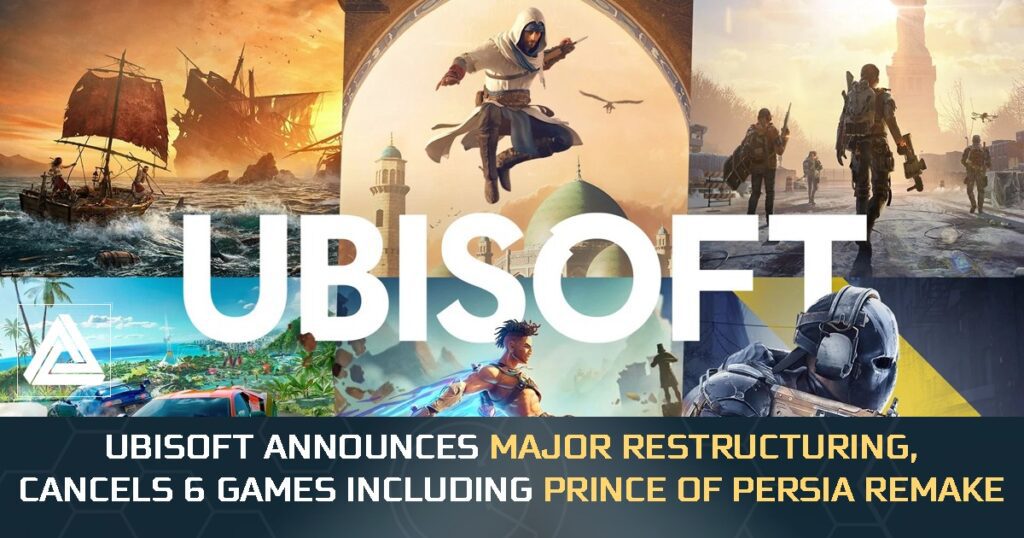
Ubisoft, a company whose franchises, regardless of which they are, have managed to captivate us for many years in one way or another, is currently going through an overall restructuring. This involves studio closures, project cancellations, delays, and the implementation of a new system of decentralized autonomous divisions called “Creative Houses”, which will independently oversee franchises across different genres. Ubisoft’s founder and CEO, Yves Guillemot, stated that the company is fully aware that these changes will result in significant financial losses in the short term, but that part of the strategy is to achieve exceptional quality levels in open-world adventures and in “games as a service” (GaaS).
Frederick Duget, Ubisoft’s Chief Financial Officer, stated that “the current market is more competitive and selective than ever, which has forced the company to raise its quality standards. As a result, projects that did not meet the new criteria, or that did not align with the strategic prioritization of resources toward titles with greater potential over the long term, have been discarded”. Yes my friend, we are talking about cancellations, several of them, even affecting projects tied to iconic franchises such as Prince of Persia. Scared?… Keep reading.
Canceled Games
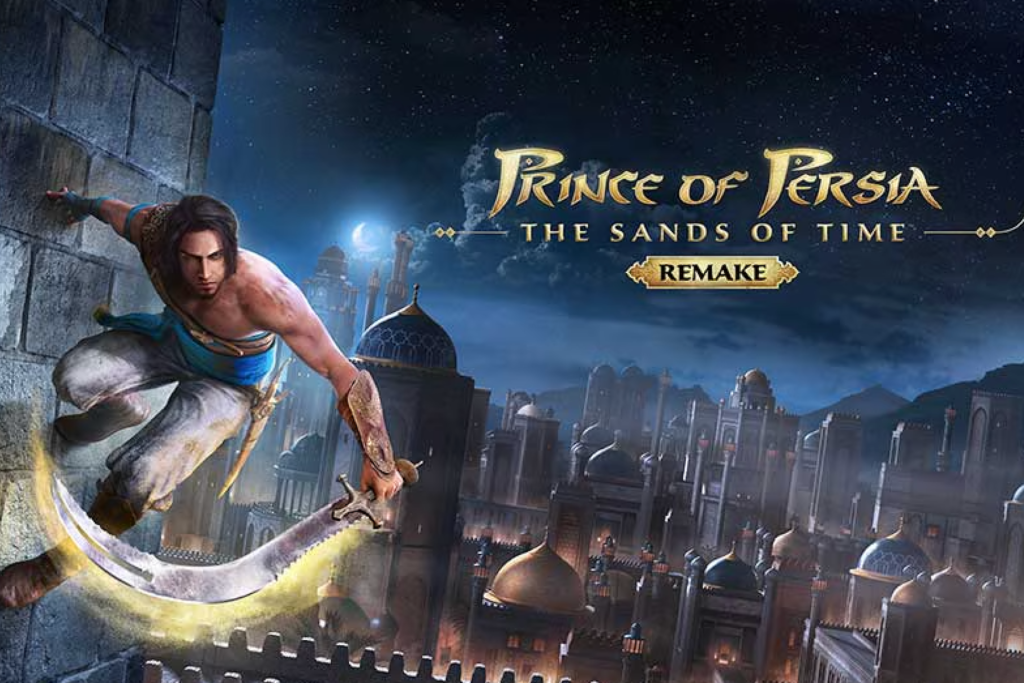
Ubisoft has officially communicated this significant restructuring of its project portfolio, which has led to the cancellation of six games currently in development, and seven additional delays. Among the most notable cancellations is the remake of Prince of Persia: The Sands of Time, whose release had seemed imminent. According to the official statement, this decision was the result of an exhaustive content review carried out over the past two months, with the goal of conducting an “organized and operational reset” for the next three years, based on its new “Creative Houses” system.
Leaving Prince of Persia aside, three new unannounced IPs have been halted, along with a mobile title and a sixth game whose name has not been revealed. As for the seven delayed titles, the company has sought to ensure the necessary time to properly polish these products. Among them, the postponement of an unannounced title initially scheduled for fiscal year 2026, which ends in March of this year, stands out, as it has been moved to the next fiscal year, 2027. Regarding this last one, several sources speculate that it could be the rumored remake of Assassin’s Creed: Black Flag, although we will have to wait for future news to know for sure which title it actually is.
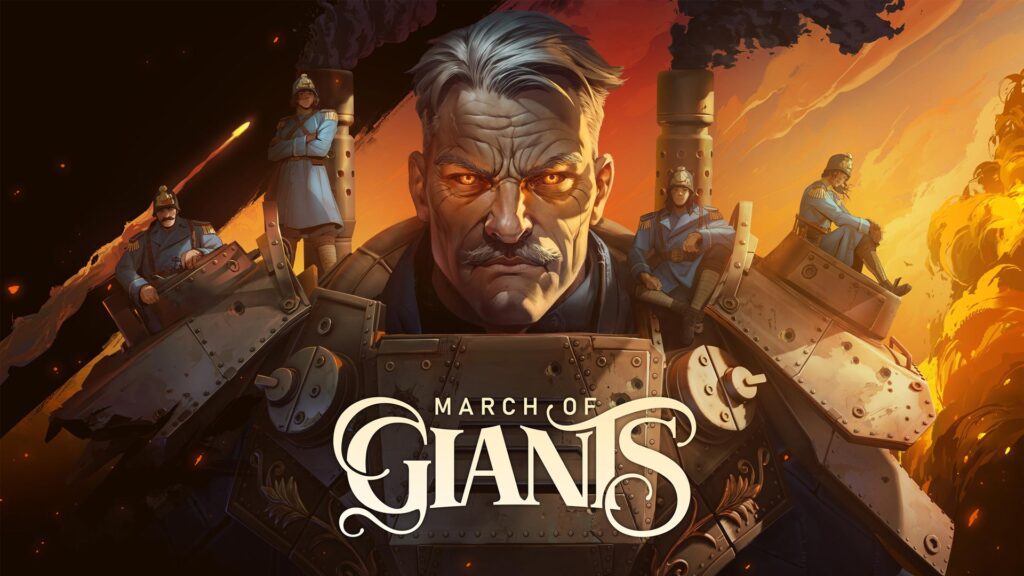
According to the report, there are four new intellectual properties that remain in development. Among them, the title March of Giants has been explicitly mentioned, a MOBA announced by Amazon Games that was meant to mark the debut of its Montreal division, but which was acquired by Ubisoft just one month ago.
What Does This Massive Restructuring Involve?
Basically, these enormous changes are organized under seven main points that we will go over below. Each of these items represents a new phase within this new mechanism that Ubisoft is proposing to implement:
- Mass cancellations: We have already talked about them.
- Strategic delays: We have also taken the time to mention them.
- New “Creative Houses” model: The company is divided into five autonomous units specialized by genre. Major Franchises (Vantage Studios), Shooters, Live Games, Narrative/Fantasy, and Casual/Family.
- Survivors: We have also talked about them, the IPs that continue their development.
- Cuts and closures: The studios in Halifax and Stockholm are being closed, with additional restructuring taking place at Massive, RedLynx, and Abu Dhabi. The goal is to reduce fixed costs by 200 million euros.
- End of remote work: A full return to office-based work will be enforced, five days a week.
- Financial impact: Ubisoft assumes an immediate economic hit with projected operating losses of 1 billion euros, and asset write-downs totaling 650 million.
The Five Creative Houses and Their Projects
As the central axis of this massive restructuring, we see this new decentralized operational model structured around the five “Creative Houses” mentioned earlier, each with full financial responsibility and specialized in specific genres. These divisions include Vantage Studios, focused on Assassin’s Creed, Rainbow Six, and Far Cry, as well as others dedicated exclusively to shooters such as The Division or Ghost Recon, and additional genres. Below are the five houses officially announced by Ubisoft:
- Creative House 1 (Vantage Studios): Focused on established franchises with the goal of turning them into annual “multibillion-dollar” brands (Assassin’s Creed, Far Cry, Rainbow Six).
- Creative House 2: Dedicated to competitive and cooperative shooters (The Division, Ghost Recon, Splinter Cell).
- Creative House 3: Selected Live experiences (For Honor, The Crew, Riders Republic, Brawlhalla, Skull & Bones).
- Creative House 4: Immersive fantasy worlds and narrative-driven experiences (Anno, Might & Magic, Rayman, Prince of Persia, Beyond Good & Evil).
- Creative House 5: Casual and family-friendly games (Just Dance, Idle Miner Tycoon, Ketchapp, Hungry Shark, Invincible: Guarding the Globe, Uno, Hasbro).
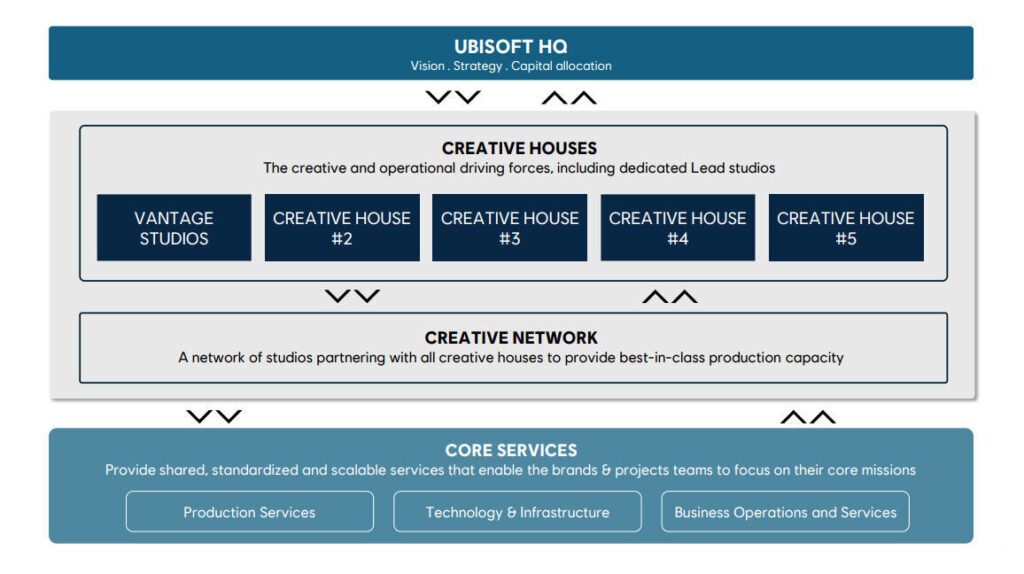
The operation of these new autonomous divisions will rely on a shared support structure divided into two areas: Creative Network and Core Services. The former will act as a network of internal studios that will provide workforce and production resources to the different houses as required by each project. Meanwhile, the Core Services area will centralize the technical infrastructure, managing shared elements such as game engines, servers, and the implementation of generative artificial intelligence tools, thus preventing each business unit from having to develop its own base technology.
To put an end to so much data that you may, and only may, consider boring, the definitive cancellation of Prince of Persia: The Sands of Time marks the end of a development cycle that has been troubled since its announcement in September 2020. The project experienced multiple delays and leadership changes, moving from Ubisoft’s studios in Pune and Mumbai to Ubisoft Montreal, and later involving collaboration with Ubisoft Toronto. Despite the fact that, as we mentioned earlier, the title supposedly had a confirmed release before March of this year, it ultimately failed to pass the new viability and quality filters imposed by the French publisher.
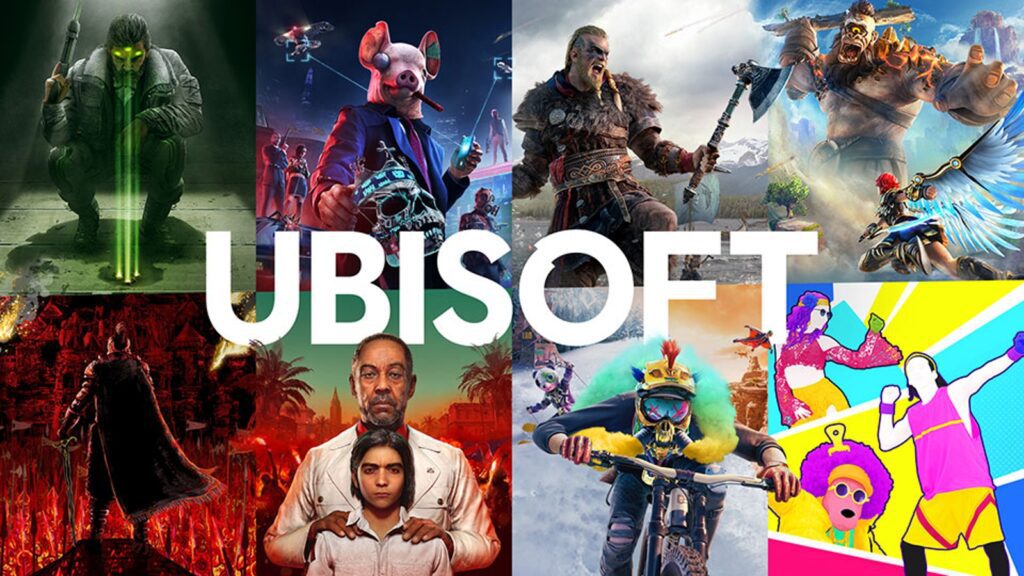
Let’s cry together, my friend.
So…
We are talking about a before and an after in the way Ubisoft has presented title after title to us for so many years, but let us understand, at least based on the information officially released, that these changes may point toward bigger and better products whose ultimate goal is to please us, the gamers. Obviously, we will be the ones to decide in the end whether those goals have been achieved or not, or whether so many franchises left behind were truly worth it. For now, all that remains is to wait, and while we wait, how about you head to the comments and share your opinion on all these changes at Ubisoft? You know gamer, we’ll be reading you! 🙂
Info & Images Source: VANDAL, Reddit, Ubisoft Official Website