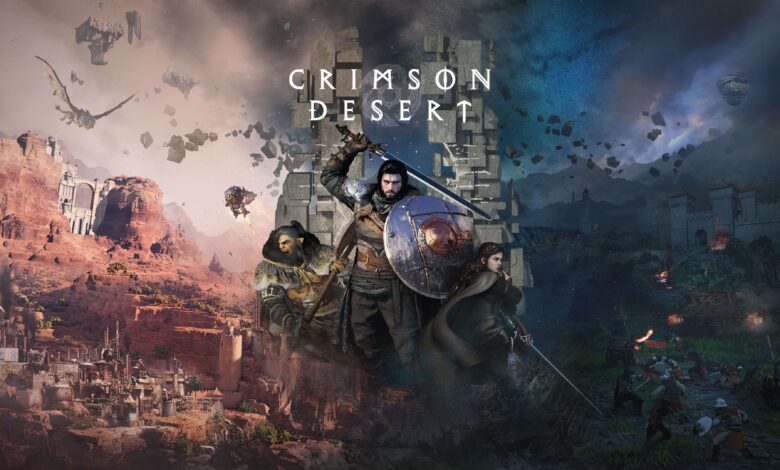
Crimson Desert: The Wait Was Worth It

The release of Crimson Desert on March 19, 2026 marked a turning point for Pearl Abyss, not only because of the scale of the project, but also because of the context surrounding it after years of development, delays, and changes in its original approach. What started as a concept within the Black Desert universe evolved into a single player experience, with a clearer narrative focus that sought to set itself apart from its origins. This transformation created high expectations, but also reasonable doubts about whether the studio would be able to deliver what was promised as a solid final product.
Just a few days after its release, the conversation around the game has clearly taken a positive turn, driven both by critical reception and by early player impressions. Instead of running into the usual technical issues seen in projects of this scale, Crimson Desert has stood out by offering a stable experience right from the start, something not often seen in recent releases. This has allowed the focus to shift toward its strengths, helping create a favorable initial perception that reinforces confidence in the work carried out by the studio.
A Technical Performance that Makes the Difference
One of the most frequently mentioned aspects in early reviews has been the game’s performance, especially in relation to its visual ambition. The studio’s proprietary engine, known as BlackSpace Engine, has been highlighted for its ability to support large environments with a high level of detail and multiple systems operating simultaneously without compromising stability. This includes dynamic AI, advanced physics, and real time events, elements that usually cause issues in other releases but here seem to be well integrated within a consistent technical structure.
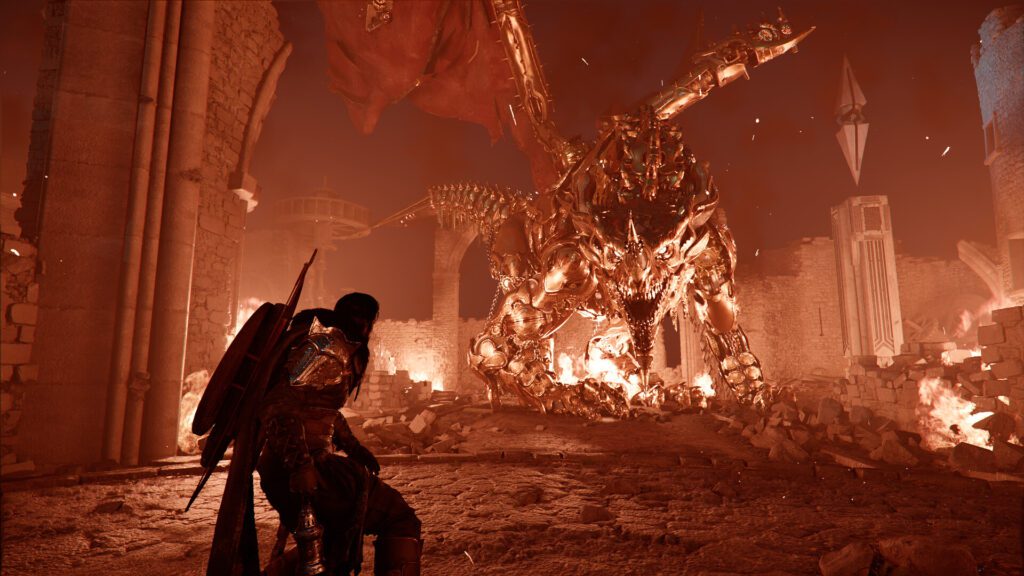
In its analysis, Digital Foundry highlighted this consistency as one of the game’s key strengths:
“Crimson Desert delivers a surprisingly stable experience across platforms, with consistent frame pacing and minimal performance dips even in dense combat scenarios.”
Digital Foundry
This type of assessment has not been an isolated case. Other outlets have also pointed out that the game manages to maintain a smooth experience both on consoles and on mid range PC configurations. Efficient resource management has also been emphasized, particularly in environment loading and transitions between areas, reinforcing the sense of technical consistency. All of this contributes to the title being seen as a solid release in an area where many recent projects have struggled.
Critical Reception and Early Impressions
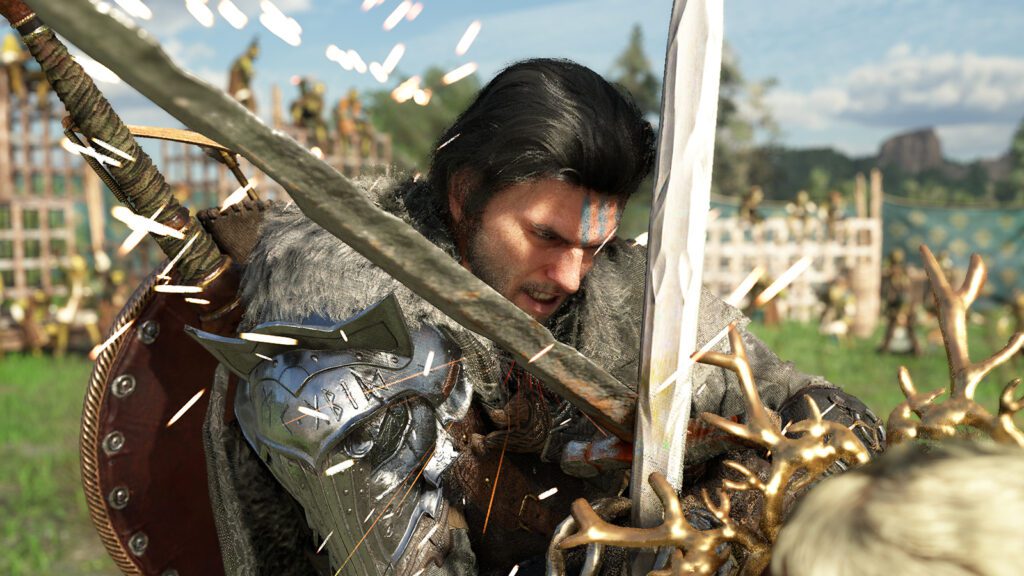
Reception from specialized critics has been consistently positive, highlighting both the ambition of the project and its execution in key areas. Several outlets have agreed that the game manages to balance a directed narrative with the freedom of an open world, avoiding the fragmentation that often affects large scale titles. This balance has been interpreted as a sign of maturity in the design, where each system seems to follow a clear intention within the whole rather than to isolated decisions.
IGN, in its early impressions, highlighted this approach:
“Crimson Desert feels like a carefully crafted single player epic, where the scale of its world is matched by a strong sense of direction and purpose.”
IGN
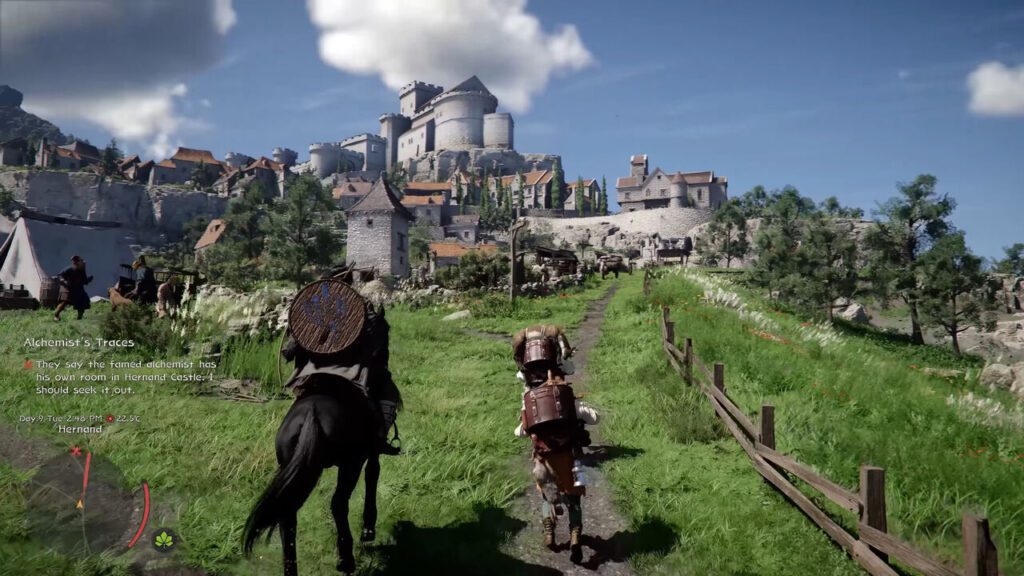
Meanwhile, GameSpot highlighted the coherence between its gameplay systems:
“There’s a clear effort to make every system meaningful, from combat to exploration, creating a cohesive experience that rarely feels fragmented.”
GameSpot
These assessments point to the same core, the game’s ability to bring together its multiple components without losing identity or pacing. Rather than feeling like a collection of disconnected mechanics, Crimson Desert is seen as a unified experience where each element plays a role within a broader and more coherent whole, something that has been key to its positive early reception, which I believe many of us have already been part of, right?
The Vision of Pearl Abyss Made Reality
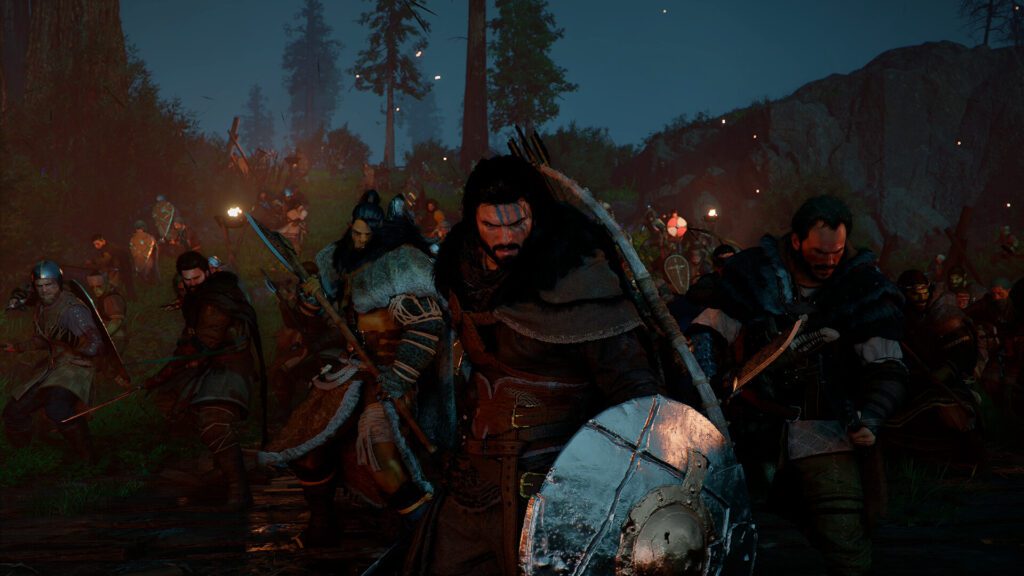
The development of Crimson Desert was marked by important decisions that redefined its scope, especially when the studio chose to move away from its initial MMO approach, and I am sure this change caught the attention of the entire community. This shift let the team focus on a more controlled and narrative driven experience, something that is directly reflected in the final product. Its independence from Black Desert Online not only gave it its own identity, but also expanded its creative possibilities, allowing for a more player focused experience.
In statements prior to release, Junghee Jin explained this direction clearly:
“We wanted Crimson Desert to stand on its own as a complete experience, rather than an extension of something else.”
Junghee Jin, Pearl Abyss
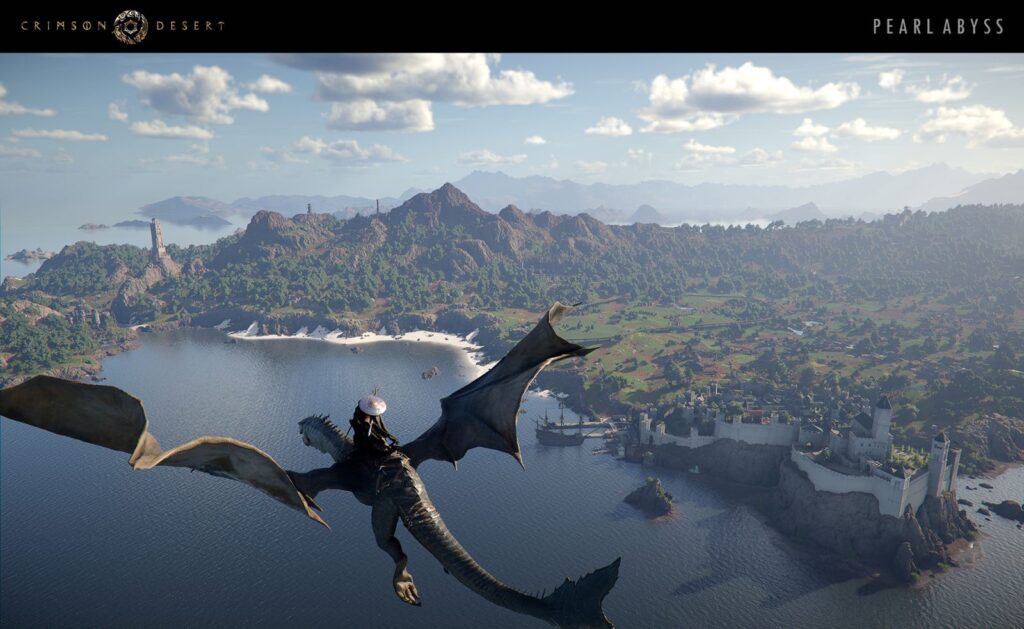
This philosophy has also been reflected in the project’s development time, with multiple delays that the studio justified as necessary to achieve the desired level of quality. Far from negatively affecting how the game is perceived, and beyond the fact that we are used to the wide range of possible reasons behind delays in the titles we most look forward to, in this case this decision actually seems to have contributed to the release taking place under much more favorable conditions, reinforcing confidence in the approach taken by the studio and, at least so far, more than meeting the expectations of the community.
An Open World that Invites You to Stay
One of the most highlighted elements in early coverage has been the design of its open world, which has been described as dense, coherent, and encourages exploration without relying on overly guided structures. Instead of depending only on markers or repetitive tasks, which, unfortunately, we have seen far too much in recent years, the game favors a more organic interaction with the environment, where discovery comes from the player’s curiosity. This approach has been identified as one of the key factors in maintaining interest throughout the experience.
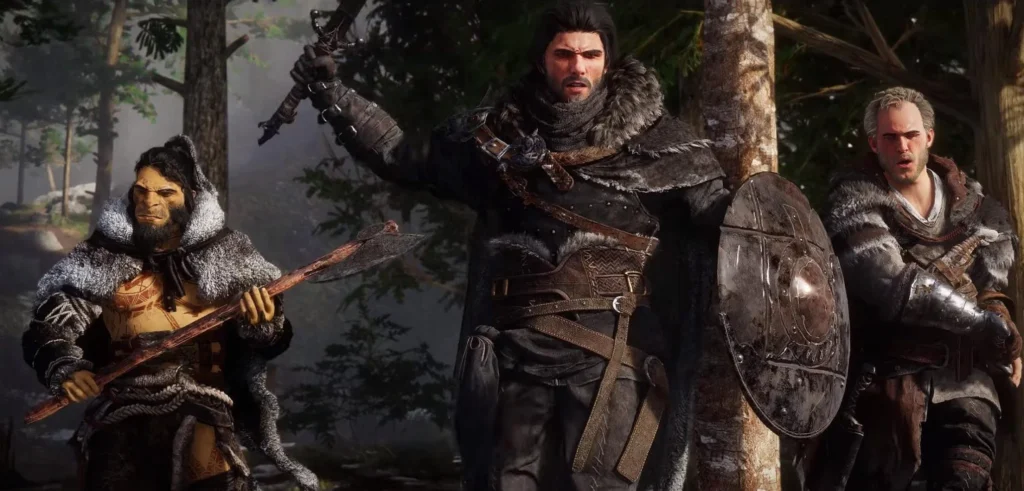
Eurogamer summarized it as follows:
“The world of Crimson Desert feels alive in a way that encourages curiosity, rewarding players who take the time to explore beyond the main path.”
Eurogamer
This approach is reinforced by the presence of dynamic events, changes in the environment, and emergent situations that keep the experience fresh. Additionally, the integration of these elements within the overall design prevents them from feeling like superficial additions, reinforcing the sense of a living world that constantly responds to the player’s actions. And speaking directly from the player’s experience, what we get from the world is simply sublime. I could point out countless aspects, but I prefer to focus on two points that have strongly caught my attention during the first hours of the game:
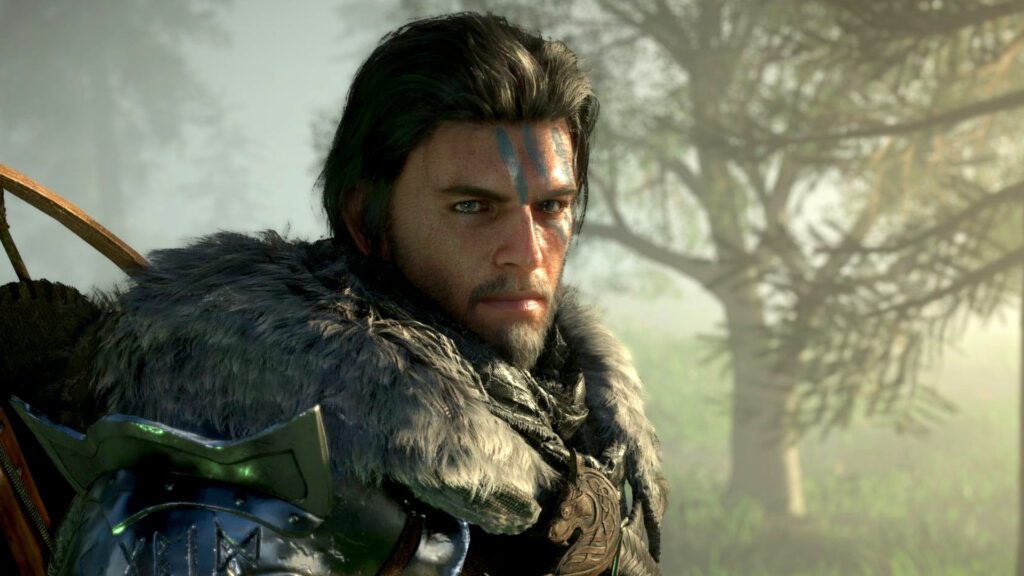
The first is how incredibly alive and interactive the world feels. I mean that it is not just simple filler without meaning or depth. Here, every person, animal, element, every geographical point feels as if it has a defined purpose, a reason to exist. I could say without fear of being wrong that some iconic titles in these aspects, such as RDR2, to name one, seem to have fallen short of the goal that Crimson Desert seems to be achieving almost effortlessly since its release, and I say this as a personal opinion, and obviously without taking anything away from Rockstar Games.
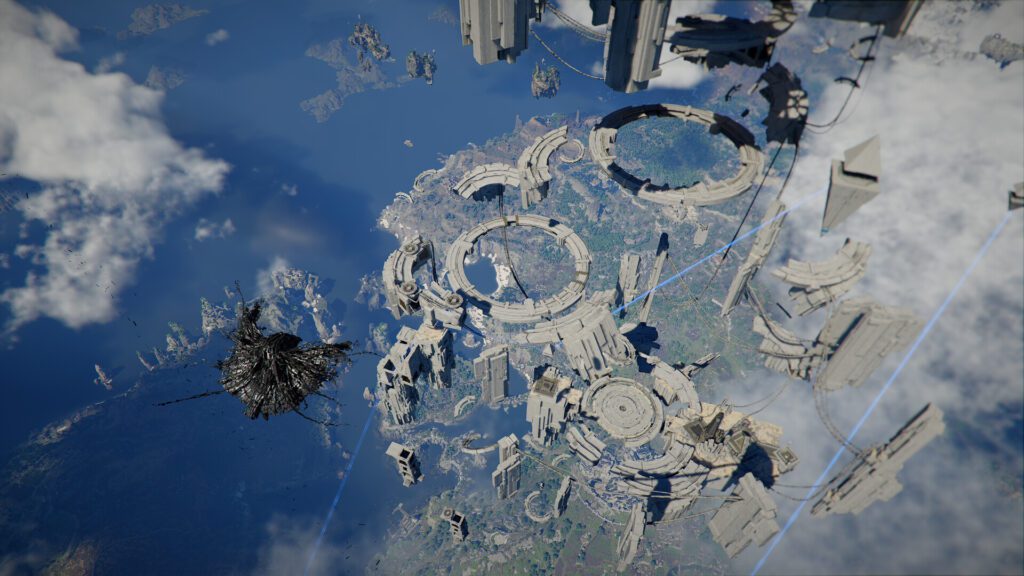
Another thing I couldn’t ignore has been its graphics engine and its capabilities. In this title there are places, areas, or portals through which we access locations that seem to exist in an alternate universe, just as we have seen in games such as Control or Hogwarts Legacy. Well, in one of the early missions of the game, at the end of which we gain access to the “flying” function, or the gliding technique, we can see the world from rocks that remain suspended in the sky, very high above the world below. What is incredible, at least to me, is that once we appear there, the world has been fully rendered and loaded, and that scenario we see below, which in other titles would just be a backdrop, here is the real world, which we can reach by jumping and gliding all the way down to the ground! No preloading, no transitions, no different zones. Just miles and miles of world, all generated and loaded at the same time, while we are in the sky… Isn’t it amazing?
A Release that Reinforces Confidence
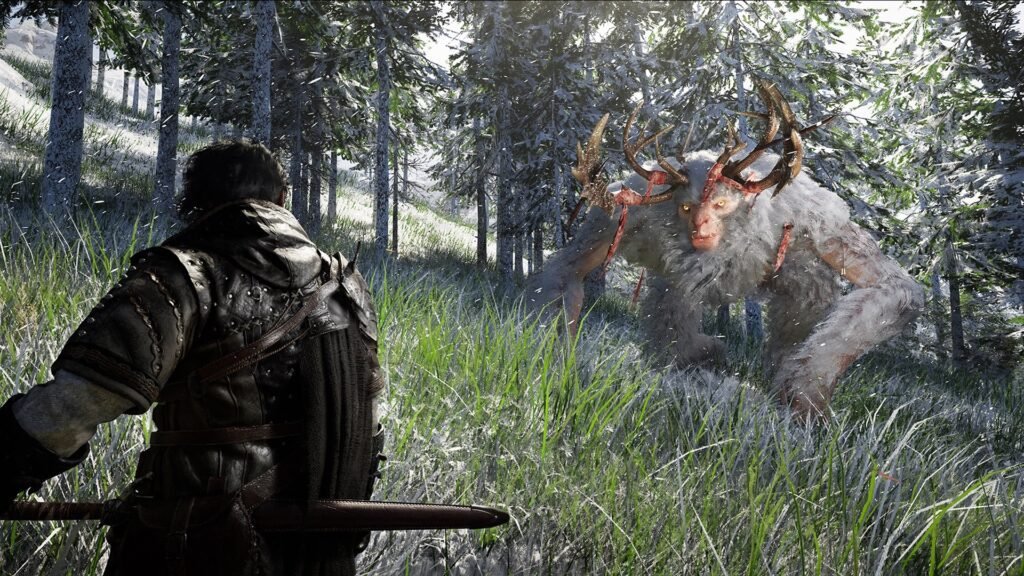
Just a few days after its release, Crimson Desert positions itself as one of the most solid releases of the year, at least in terms of its initial state and reception from critics. In a context where many big budget titles reach the market with technical issues or questionable design decisions, this title from Pearl Abyss stands out for its consistency. This factor has been key in generating a positive perception from the very beginning.
Beyond the game itself, this release also has implications for the studio’s reputation and strengthens its position as a developer capable of managing ambitious projects without compromising final quality. The confidence generated in these early days could translate into greater expectations for future projects, reinforcing its position within the industry and validating the decisions made during the development of the title.
So…
Crimson Desert is a fantastic single player open world adventure, and since April 19 it is available for PS5, PS5 Pro, Xbox Series, and PC through Steam and the Epic Games Store. You are probably already playing it, but if not, what are you waiting for? Whether you have experienced it or not, it would be great if you stopped by the comments and shared your impressions of this fantastic proposal from Pearl Abyss. You know gamer, we’ll be reading you! 😉
Images Source: PlayStation Official YouTube Channel, Crimson Desert on Steam