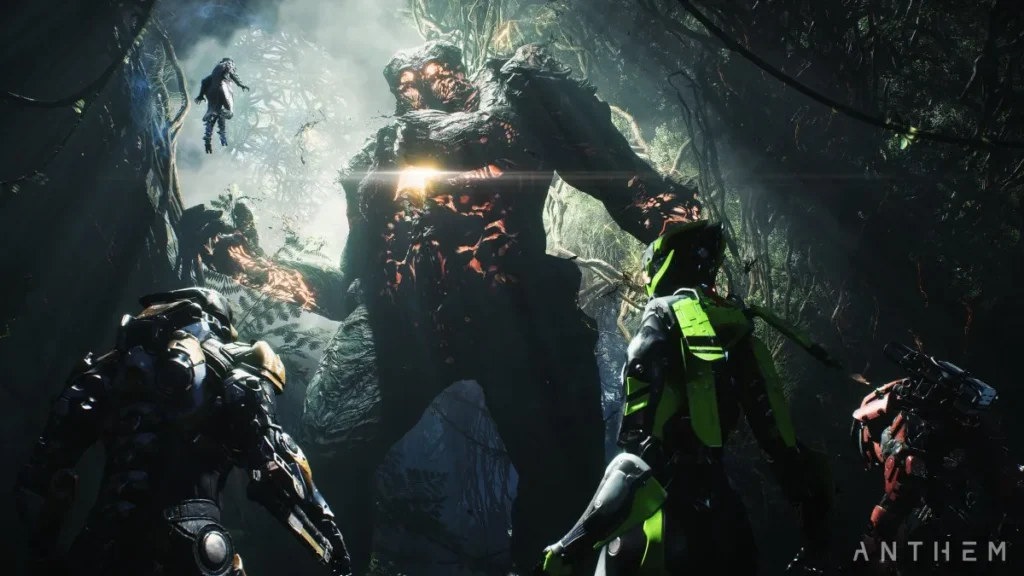
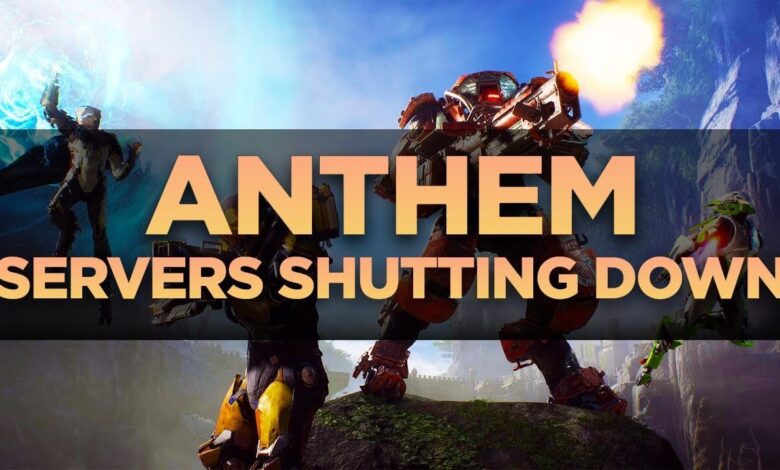
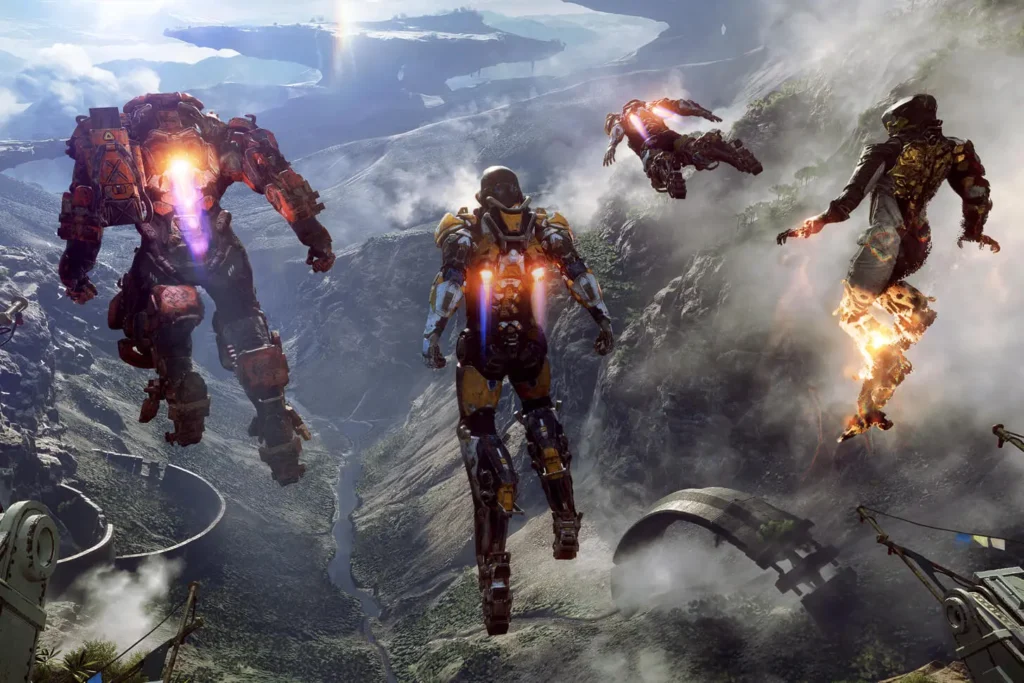
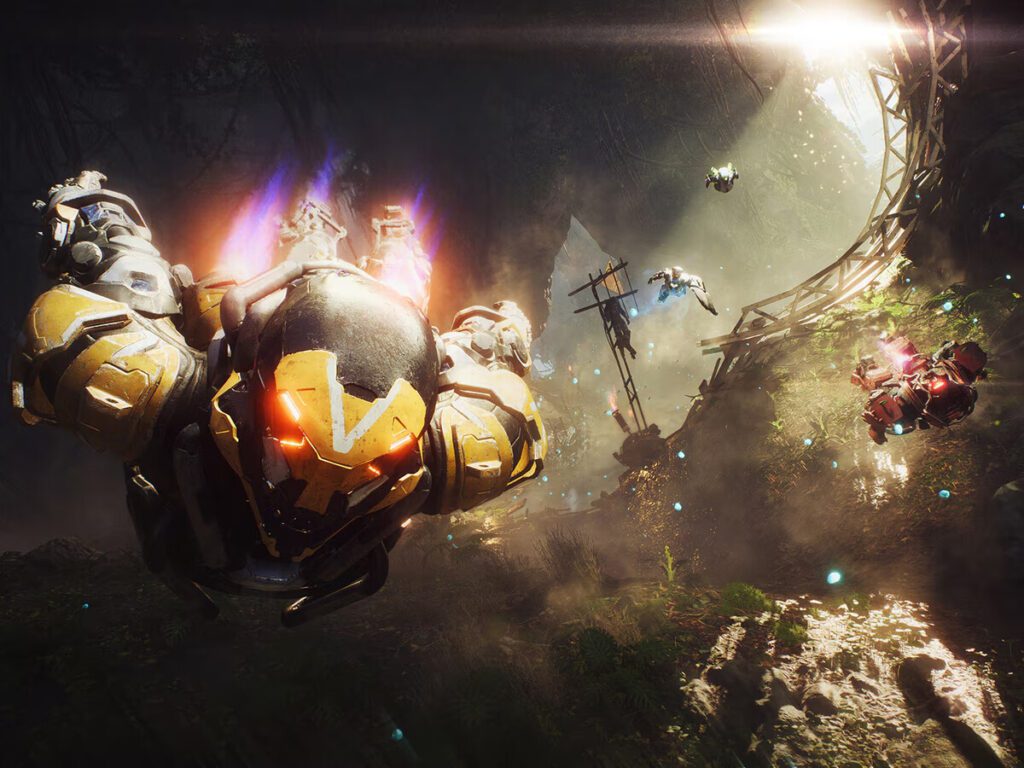
Back in 2017, when E3 was still alive, among all the juicy game announcements that would later amaze us for years, there was one in particular that powerfully caught everyone’s attention. EA announced during its EA Play conference its upcoming open-world title, Anthem, which, with its reveal trailer, left the community and the world completely stunned. The concept was original and visually impressive, offering players the chance to feel like a real Tony Stark, in command of one of several cyber suits armed to the teeth, flying freely across maps that delivered a striking sense of verticality and clear biome variety, facing human enemies, cybernetic threats, and even wildlife and foes of questionable origin.
Yes. All of that looked amazing.
When Anthem finally launched in 2019, the massive expectations were only matched by the equally massive disappointment players experienced. Anthem hit the market with several issues that could undoubtedly have been fixed, if not for the blurred vision caused by its enormous potential and the hype generated within the community. Anthem’s problems were many, which does not mean it lacked potential, but rather that at some point, or more accurately at several points, wrong decisions were made, and there was far too much trust placed in the idea that high expectations were synonymous with guaranteed success. This caused that rough start and the subsequent steep fall to hurt even more for fans who had waited so eagerly for its arrival while keeping that juicy E3 2017 reveal video firmly in mind. Do you remember which one it was? You can take a look just below:
The Combination That Led to Failure
Watching the video, as I write these lines, I cannot help but feel a sense of nostalgia, mixed with that irritating feeling of helplessness in the face of the imminent end of something that, in my own opinion, still has incredible potential. That said, talking about the problem that caused Anthem not to work is not about a single factor, but about a combination of elements and misguided decisions. If you want the details, you can read them below:
Problems of conception and direction
Anthem was born without a clear vision: BioWare spent years without defining what kind of game it was really making, which meant that for a large part of development there was no closed design in place. Too many decisions were made late, and others were changed on the fly. The project relied far too heavily on improvisation, and on something they internally referred to as “magic”. In other words, they were simply hoping everything would come together at the end.
Forced use of the Frostbite Engine
Frostbite was not designed for RPGs or looter shooters. BioWare had to fight against the engine in areas as basic as inventory, missions, saving, interface, and progression. This slowed development significantly, while also limiting key systems and leaving the game with rigid and inflexible structures.
Good mechanics very poorly exploited
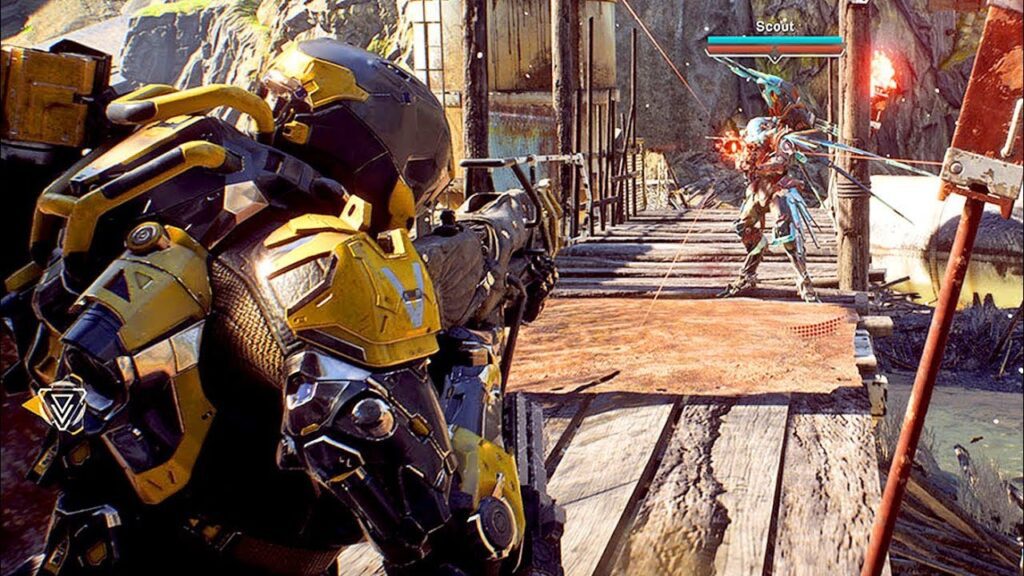
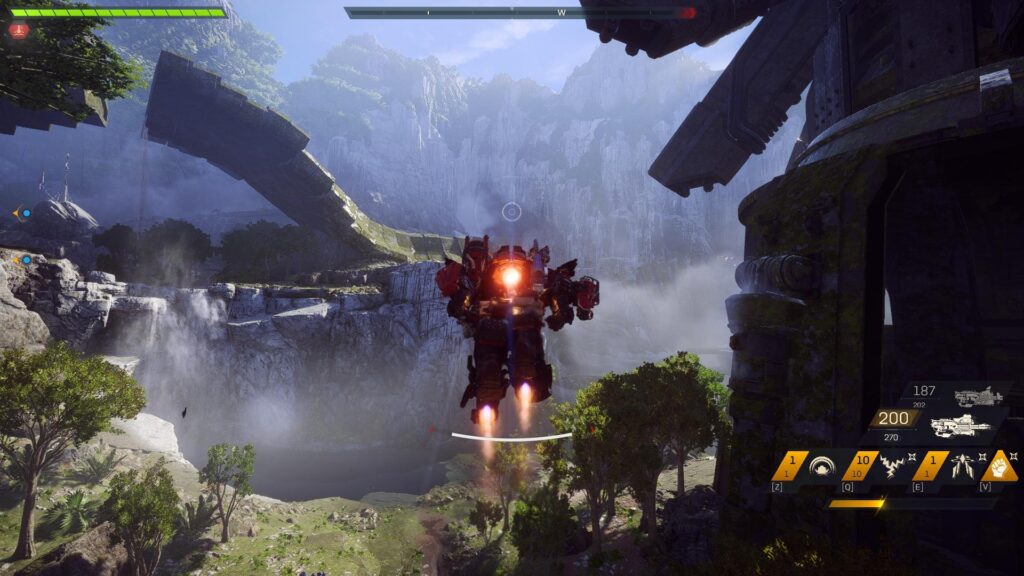
Flying and combat were the best parts of the game, but unfortunately everything surrounding them failed. As expressed by players themselves, most of them reached the same conclusion: the gameplay loop was repetitive, which I personally think is debatable, especially considering that most looter shooters on the market suffer from the exact same issue, and I say that after spending more than 10 years of my life playing Warframe, just to name one example. Missions were generic and recycled, or at least that was the general perception, and events felt the same as each other. The world did not seem to react to the player, which in general terms indicated that, while there was a solid and attractive foundation, the reality was that nothing truly interesting had been built on top of it.
Poorly designed loot system
Even though the game was classified as a looter shooter, loot was one of the weakest points of its structure. Rewards were unclear and not very satisfying, progression was confusing, there was a lack of a real sense of advancement, and even legendary items lacked enough impact to make players feel they were actually getting something good. In short, playing for hours did not feel rewarding and became tiring very quickly.
Lack of endgame content
Upon reaching the end of the game, there was nothing substantial to do. There were barely any endgame activities, a clear lack of variety, and a noticeable absence of long-term content plans. This caused the player base to collapse rapidly.
Premature launch
The reality is that Anthem launched before it was ready. It was loaded with constant bugs, performance issues, crashes, and serious errors, all of which led to slow and inconsistent patching. Overall, the general impression was very negative, and this situation was never fully reversed.
Broken promises and poor communication
EA and BioWare promised a living game in constant evolution, which never happened. Roadmaps were canceled, announced content never arrived, there were long periods of media silence, and all of this was compounded by the cancellation of Anthem Next, which was meant to change or fix everything negative about such a problematic start.
Poorly sustained game as a service
Anthem depended entirely on servers, but it failed to maintain a critical mass of players or justify the cost of keeping them active. With no profitability and no clear future, shutting it down under that model was inevitable sooner or later. One could even say that its servers lasted longer than many of us might have expected, which may have surprised some and disappointed many others.
The reality is that Anthem did not fail for a single reason, but because of a combination of poor planning, wrong technical decisions, incomplete design, lack of content, broken promises, and an unsustainable game as a service model. And here comes the most unfortunate part of all this: the title did not fail due to a lack of ideas or potential, which was, and still is, massive, but because of a chain of completely avoidable errors that grew far too long.
Is Stop Killing Games Doing Anything About It?
The short answer is no. We all already know what the Stop Killing Games initiative is, and we have talked about it quite a bit here. Its goal is one that matters to all of us, since they care about games, precisely like this one, remaining accessible to players who paid for them, which is technically the right thing, and how it should always be, although of course there are hundreds of gray areas between what is right and what is real. These gray areas involve endless clauses and terms and conditions that barely 1% of players actually read before clicking “accept”. Even so, SKG has achieved an important presence in Europe, gathering signatures and reaching legislative debates at the highest levels of the United Kingdom and Europe.
Recently there have been victories as a result of the initiative, among which we can cite the most well-known case, the offline mode of The Crew, which we also talked about here not long ago. The issue is that, while SKG does cover cases like Anthem’s, there is no news indicating that they are acting specifically in this particular process. There is only some recent coverage mentioning that SKG supporters have cited Anthem as an example of why regulation, or alternatives, are necessary.
However, even though the initiative has not expressed any official stance, the community has not lost hope. Obviously the impact is much smaller, and it is not as if the “success” of its playable period helps encourage more players to support what little can be done, but if you at least want to try, there are several petitions on different platforms created by fans, among which we can highlight two proposals you can sign on Change.org:

Save Anthem
This petition, created by players, asks EA to release the server binaries or allow the community to keep the game running after the server shutdown. The main idea is to provide the community with tools that would allow the title to be preserved in an unofficial way, so that it can continue to be played even after EA shuts down its servers officially. This petition specifically proposes releasing the server binaries, allowing private servers or community tools, and removing microtransactions to integrate all content into the base game. By mid 2025, this petition had already gathered more than 3,000 signatures.
Preservation and Source Code
In this other petition, with a similar intention to the previous one, fans ask EA and BioWare to release the source code and game tools so the community can preserve it, maintain servers, and continue its life outside of EA. This proposal has not grown as much in signatures as the previous one, but it essentially points to the same goal: keeping Anthem playable even after EA shuts down its servers.
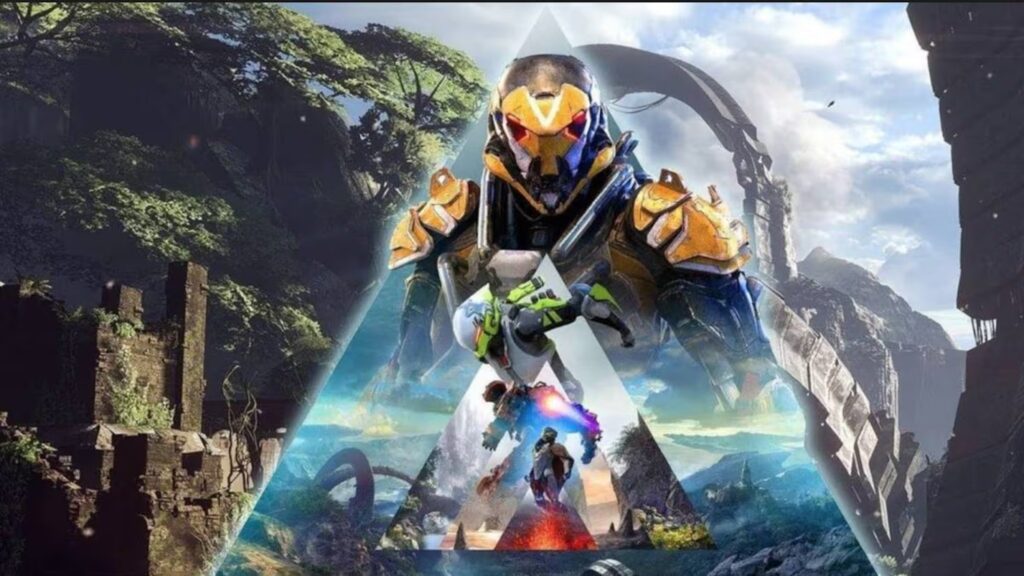
None of these petitions has received an official response from EA or BioWare so far, so they are simply “waiting” on the companies. There are no public indications that EA has considered allowing private servers, releasing tools, or creating an official offline mode for Anthem. Even so, it is worth saying that, between the two petitions mentioned, the first one is the more “coherent” or accessible option for all parties, since it could be fulfilled fairly easily with an update patch, while the second one is the more “ambitious” proposal, for lack of a better word, and would imply radical changes to the game.
My Personal Opinion
I have played Anthem, and I have obviously finished it. Despite liking it, and I must say a lot, I can confirm every single point mentioned above. While I find it very unfair, both in this case and in all cases where players have paid for something that is being taken out of their hands, the reality is that I am incapable of doing anything about it other than joining initiatives like the ones mentioned earlier. In this case it bothers me perhaps more than it should, since we are talking about a game with enormous potential, sadly wasted by not letting go of the reins in time. I am convinced that even if it had gone f2p in 2020, when it stopped receiving support and content, it could have a solid base today, or at least one sufficient to keep the game moderately alive.
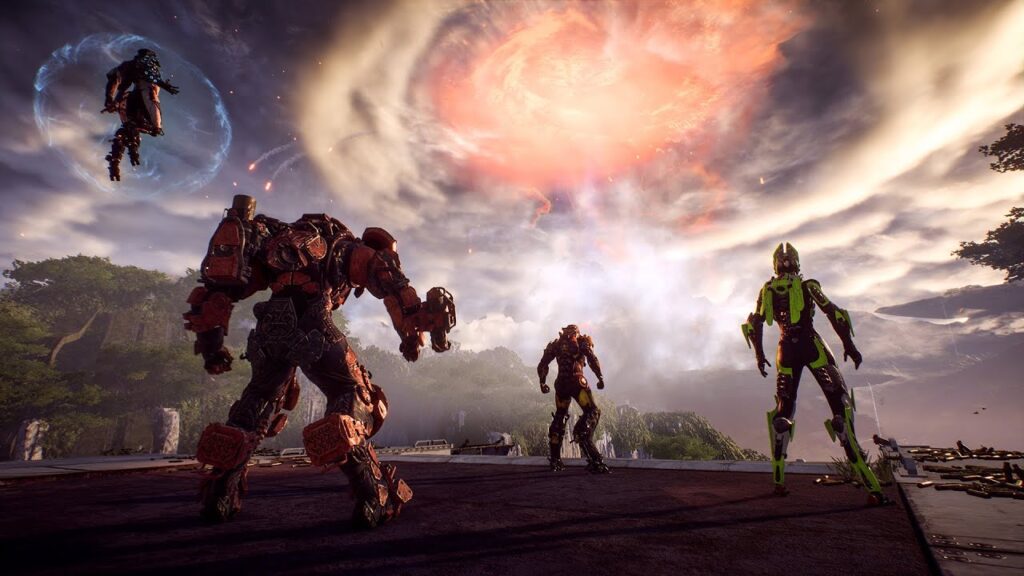
Of course, if it were only a matter of imagining it, seeing a “living” community on its servers could have motivated the creation of new content, perhaps accessible through microtransactions that would have made the outcome positive for everyone, both commercially and in terms of gameplay. Honestly, it feels like a tremendous waste, since this is not an old, abandoned game, but a premium commercial product sold for years and is about to disappear forever without offering any alternative to the buyers who already paid for it…
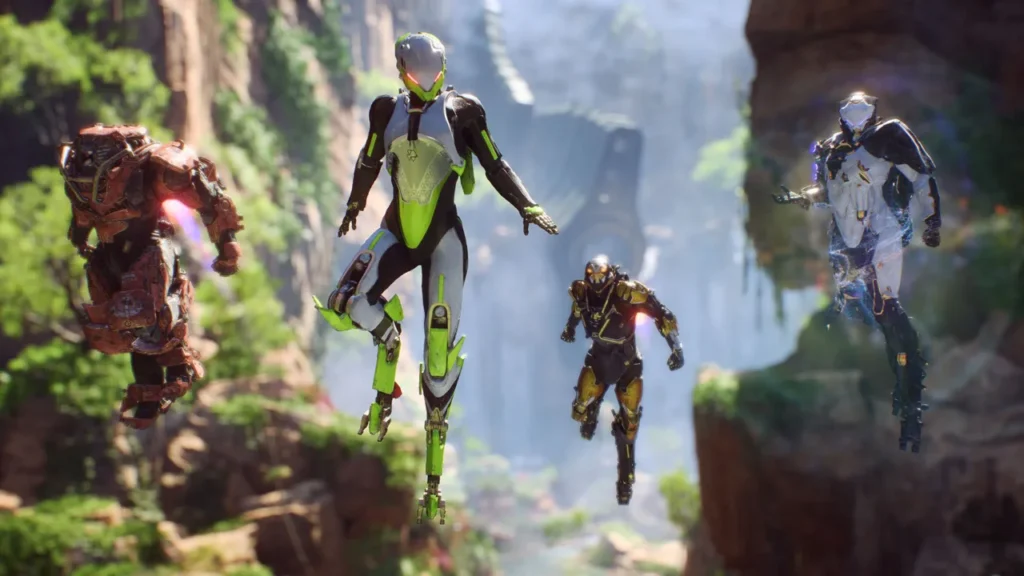
I personally remember my first sessions with it, and how amazed I felt by the high level of freedom that came with piloting the Javelins. Yes, it is true that visually and in terms of gameplay it was definitely not what we were promised, but its strongest point, which we mentioned above, flight and combat, were not good, they were fantastic! That is exactly how a proper Iron Man game should have felt if they had ever made a decent one! Building on that foundation, knowing that this attractive core, which already felt good to play, had been achieved, would have been sensible, productive, positive…
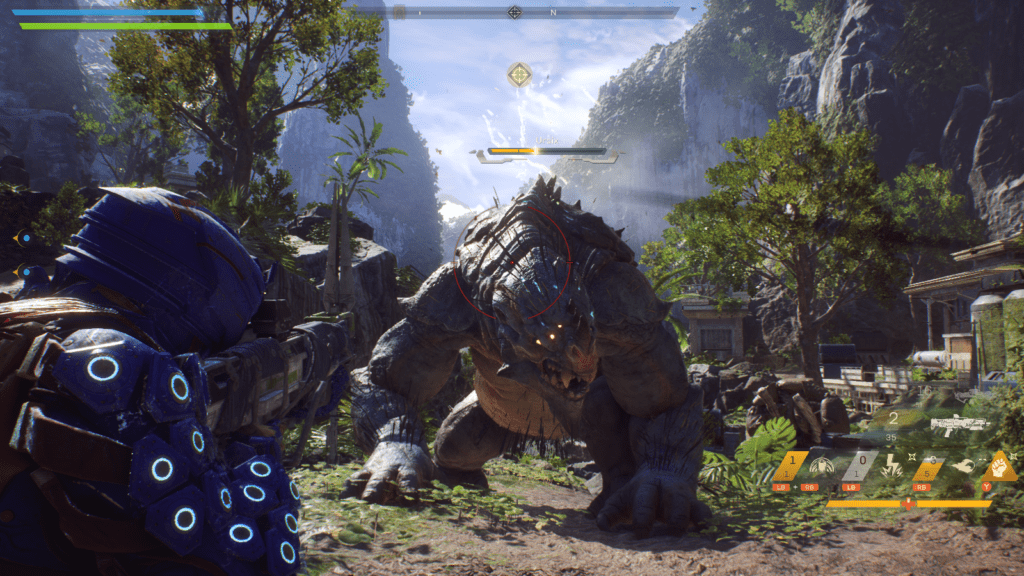
It is hard to do anything about it. Unfair, yes, but hard to justify any action against that shutdown given its history, which, let us remember, was entirely the responsibility of EA and BioWare, not the player community. If you ask me, I would obviously tell you…: “Let it go, let it be. We will take care of it.”
So…
Yes, I know, I am not talking about a massive success, nor an iconic game, nor a classic. I am talking about a game sadly driven to failure by its creators. Even so, I cannot help but mourn this news, which will continue to feel unfair to me until the end of time. EA will shut down Anthem’s servers on the 12th of this month. Can you do anything about it? I doubt it, and it is not that I do not believe in my community, but we will not be enough to make the necessary noise. Even so, the links to the Change.org petitions are right up there. I am crossing my fingers, even though we all know the chances of anything changing are almost nonexistent.
This time, no elaborate, clever, or funny closing lines. If you want, you can stop by the comments and tell us what you think about all of this. You know gamer, we’ll be reading you. 💔
Info & Images Source: Anthem Game Official YouTube Channel, Meristation, 3DJuegos